Arrivals and Departures With Grace
Combine geofencing for a wide radius with a local trigger, like unlocking the door, to prevent premature activation. On arrival, illuminate a safe path and slightly crack the living room drapes for a welcoming glow. Departures call for gentle off-ramping: lights fade, doors confirm locked, occupancy modes change. Always provide a quick “all off” option. Logically ordered actions prevent awkward overlaps, such as blinds opening while guests are still sleeping or lights toggling twice.
Mornings, Evenings, and Micro-Rituals
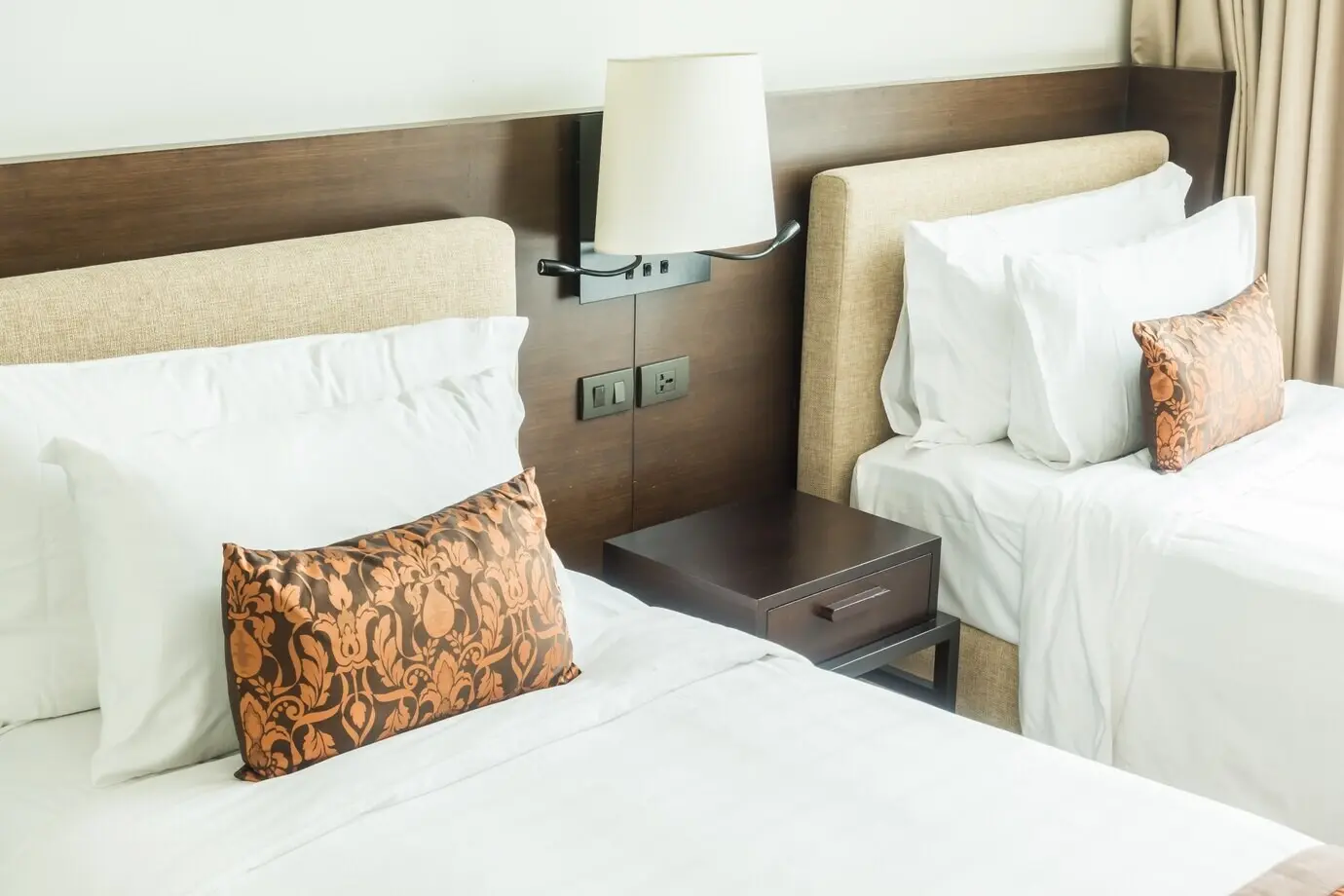
Let mornings begin with a quiet curtain sweep, followed by warm, human-centric light that brightens gradually. Evenings can reverse with cooler brightness sliding to candlelight tones. Insert micro-rituals—like a reading nook lamp pulsing softly to invite a wind-down—so routines feel personal. Tie schedules to sunrise and sunset offsets that adapt seasonally. Balance automation with one-tap overrides that instantly pause, resume, or switch modes. Flexible rituals ensure families, roommates, and frequent guests feel equally considered.
Sharing Space Without Friction
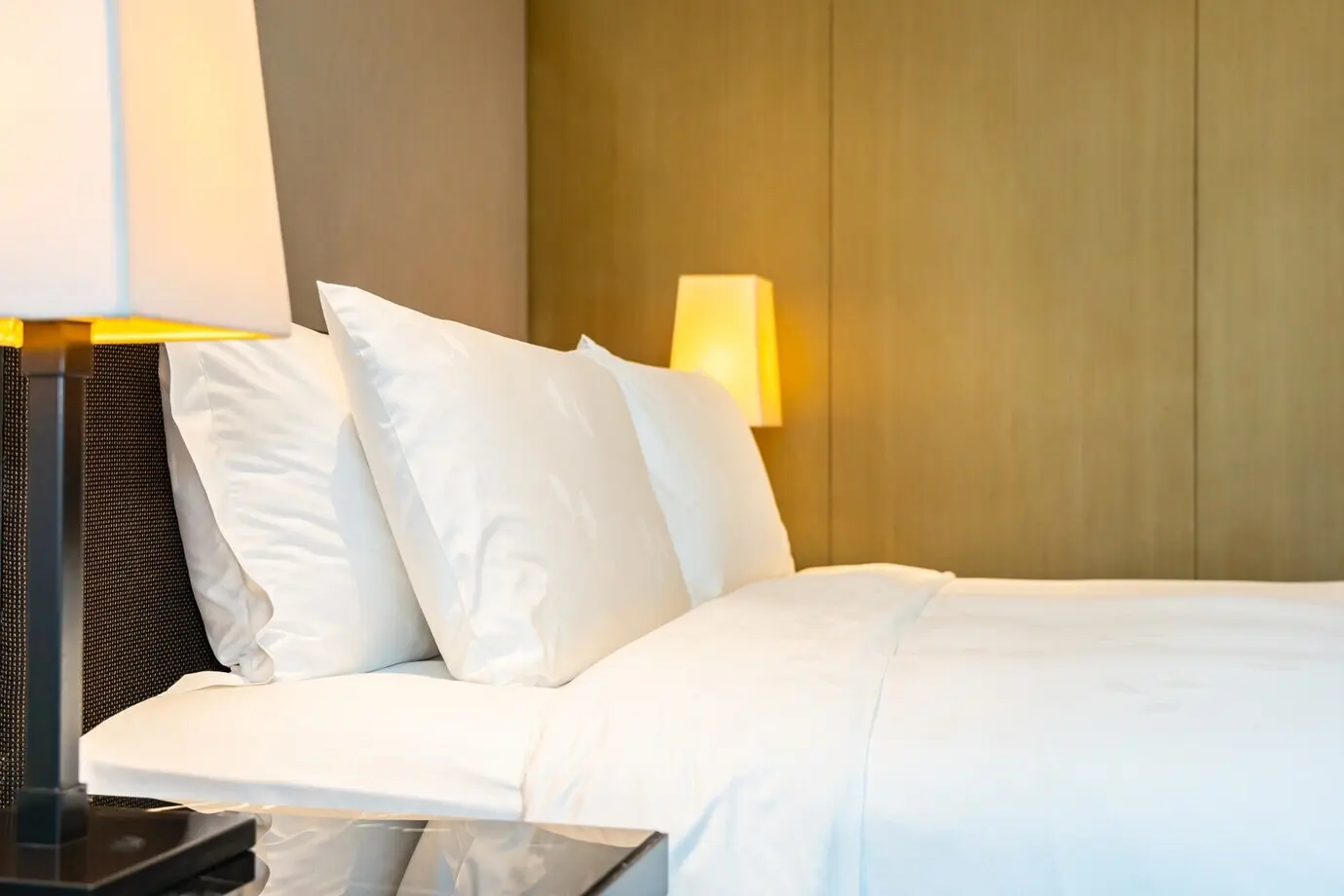
Presence is messy with multiple people, so rely on combined signals: phone detection, lock events, and room sensors. Keep guest access clear with labeled codes and printed instructions that avoid jargon. Use modes for entertaining, study time, or quiet hours, each with different lighting and drape behaviors. Announce changes discreetly through a hallway light pulse instead of a voice assistant. Hospitality is empathy at scale; design for the shy visitor and the curious tinkerer alike.